
What Size Instant Water Heater Do I Need? (IH-6 vs IH-9 vs IH-11 vs IH-12 Guide)
March 24, 2026
Gas vs Electric Instant Water Heater: Which One Is Better?
March 28, 2026
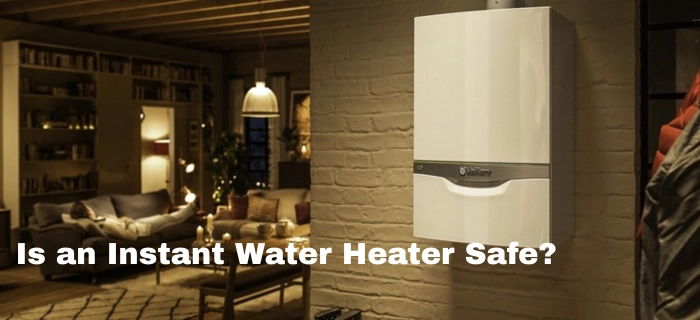
Buying an instant water heater usually comes down to two final questions: is an instant water heater safe, and does it increase your electricity bill? Most buyers already love the compact size and fast hot water they just want clear numbers and real reassurance before placing an order.
Looking at how these units actually work, the short answer is yes — an instant water heater is safe when it is installed correctly and used as intended. And no, it does not automatically increase your electricity bill simply because it is powerful. Instant heaters work only when water is flowing, instead of keeping a full tank hot all day.
This guide gives you the full picture: the safety features that matter, the exact electricity consumption in kW, a simple formula to estimate your bill, and five practical tips to lower it.
Quick Answer
Yes, instant water heaters are safe for home use — when they include proper protection systems (automatic power cut-off, thermal protection, overheat protection, fault self-detection) and are installed correctly.
No, an instant heater does not necessarily raise your bill. Instant heaters heat water only when needed, while tank heaters keep consuming energy to maintain stored hot water even when nobody is using it. The U.S. Department of Energy estimates tankless units are 24%–34% more energy efficient than storage tanks for typical homes.
How Many kW Does an Instant Water Heater Use?
Electric instant (tankless) water heaters typically draw between 3 kW and 12 kW depending on size and capacity. The most important thing to understand and the reason these units exist in the first place is this:
An instant water heater consumes electricity only while water is actively being heated. It does not run in the background. The moment you close the tap, it stops drawing power. A traditional tank heater keeps reheating the same stored water all day and all night.
That single fact is what makes electric instant hot water systems the more efficient choice for most modern homes. You are paying for hot water not for keeping a tank warm 24 hours a day.
Common Sizes and Where They Fit
Medium: one bathroom or shower
Large: full bathroom or whole home
| Size | Power Rating | Best For |
|---|---|---|
| Small | 6 kW | A single point of use (kitchen sink, basin) |
| Medium | 9 kW | One bathroom or one shower |
| Large | 11 – 12 kW | A full bathroom or whole-home use |
Higher wattage does not automatically mean a higher bill. A larger unit heats water faster, so it runs for less time. What matters is matching the unit to your actual use — and that is where a fast-heating water heater earns its place.
How to Calculate Your Monthly Electricity Cost
You do not need to be an engineer to estimate the cost. The formula is simple:
A Realistic Example for an Average Household
Unit: 6 kW instant water heater (medium size)
Usage: about 20 minutes per day = 0.33 hours
Electricity rate: USD 0.12 per kWh
The math: 6 × 0.33 × 0.12 = approx. USD 0.24 per day
Monthly total: roughly USD 7 per month for a family using the heater every day.
The reason this number stays low is the on-demand nature of the technology. Every second the unit is off, your electricity consumption is zero.
Replace 0.12 in the formula with your local tariff per kWh and you will get an honest estimate before you even buy.
Tankless vs. Tank Water Heater Which Uses Less Electricity?
🪣 Traditional Tank Heater
- Stores 30–80 litres and keeps it hot all the time
- Loses heat constantly through tank walls (standby heat loss)
- Reheats the same water again and again, even when no one is home
⚡ Instant (Tankless) Heater
- Heats water only when you open the tap
- Zero standby heat loss
- Draws higher wattage for a short time, then stops completely
More energy efficient than traditional storage tank heaters for homes using ~41 gallons (155 litres) per day — U.S. Department of Energy
Yes, an instant unit pulls more wattage in the moment. But it runs for far less time, and it does not waste a single watt keeping water warm while you sleep, work, or travel. That is what makes it a true energy-saving water heater not just a marketing label.
Is an Instant Water Heater Safe?
Safety depends on the combination of product design, built-in protection, and proper installation — not on the word “instant” alone. The right question is not whether instant heaters are safe in general, but whether the specific unit you are buying has the right features.
Safety Features That Actually Matter
- Automatic power cut-off when the tap closes.
- Thermal protection that prevents overheating.
- Overheat / Auto-Stop protection as a second line of defence.
- Fault self-detection that shuts the unit down on internal errors.
- Pressure safety and smart energy control on higher-end models.
Every Insta heater integrates these protections, with multi-level safety on models like the 11kW Instant Electric Water Heater and advanced thermal cut-off and pressure safety on the 12kW Instant Electric Water Heater.
.
Why Correct Installation Matters
Installation is the part that turns a good heater into a safe heater. Even the best protection features still need a suitable electrical supply and a correct water connection to work as intended. Insta provides installation guidance, technical support, troubleshooting, and warranty assistance and Insta heaters come with free installation and a 2-year warranty, so the safety story is backed by service, not just specs.
What Makes an Electric Tankless Water Heater Energy Efficient?
Not every instant heater is built the same. Two units with the same wattage can behave very differently on your bill. Here is what actually decides whether you are buying a genuinely energy-efficient unit or just a box with a plug.
The EF / UEF Rating
Energy Factor (EF) and the newer Uniform Energy Factor (UEF) are the official standards used to measure how efficiently a water heater converts electricity into hot water. The higher the number, the less energy is wasted. When comparing models, this is the first spec to check.
Self-Modulating Technology
A modulating unit automatically adjusts its power output to match the flow of water and the incoming temperature. If you only need a small stream of warm water, the unit uses less electricity. A non-modulating heater simply runs at full power every time. Modulation is what separates the most energy-efficient models from basic ones.
Flow Rate Control
A unit that can fine-tune its flow gives you a steady, comfortable temperature without overheating. Less overheating means less electricity used per shower.
Real-World Factors
- Inlet water temperature: colder incoming water means more energy needed to heat it
- Pipe insulation: uninsulated pipes lose heat between the heater and the tap
- Distance from unit to tap: shorter runs are more efficient
5 Ways to Reduce Your Instant Water Heater Electricity Consumption
Buying the right heater is half the work. The other half is using it smart. These five steps will measurably lower your bill without making your shower colder or shorter.
- 1
Set the temperature to 50°C not higher. Every extra degree costs electricity, and 50°C is comfortable for daily use. - 2
Insulate your hot water pipes, especially in winter. One of the cheapest upgrades with the biggest payoff. - 3
Choose a unit with modulating technology. You get hot water instantly, without wasting energy waiting or overheating. - 4
Install low-flow shower heads. They cut water use by up to 40% without affecting how the shower feels. - 5
Match the unit size to your actual demand. An oversized heater wastes electricity. An undersized one struggles and runs longer.
Before installation, list every tap that will need hot water and the peak time everyone uses them. Sizing your unit around your real peak not your theoretical maximum is the single biggest factor in long-term savings.
Why Some People Still Notice Higher Bills
Bills can still rise if the heater is oversized for the home, if water runs longer than necessary, or if household demand is heavier than expected. Efficiency helps most when the model matches the real use case.
A large unit like the IH-12 is designed for large homes, multiple bathrooms, and higher-demand scenarios. The IH-11 fits medium-to-large households and simultaneous multi-point use. Choosing more capacity than you need can actually reduce the value you get from the system.
Running habits matter too. Long showers, frequent daily use, and overlapping bathroom and kitchen demand will naturally increase electricity consumption regardless of heater type. The advantage of instant heating is that the electricity goes into active use rather than standby storage — which is why it stays the more energy-conscious option over time.
Is an Electric Instant Water Heater Worth It?
Short answer: yes.. especially for a single bathroom, a single shower, or a kitchen point-of-use. You stop paying to keep a tank warm 24/7, you get hot water instantly the moment you open the tap, and you free up the space a bulky storage tank used to occupy.
For a deeper breakdown of which model fits which home, see our full guide to the best instant water heaters. For a single shower setup, the best instant water heater for shower use guide walks through the right wattage and flow rate. And if you are setting up a complete bathroom, check the best instant water heater for a bathroom.
We do not believe in selling you the biggest unit, the most expensive model, or the loudest spec sheet. We believe in helping you understand what you are buying — because a customer who understands the technology stays a customer for years. Every INSTA instant water heater is engineered for Egyptian homes: real water pressure, real winter inlet temperatures, real family-sized demand.
Final Answer
Yes when it includes automatic shut-off, thermal protection, pressure safety, fault detection, and is installed correctly with professional guidance and warranty support.
Not by default. Instant heaters work on demand and often reduce wasted energy compared with tank heaters. With the right size, settings, and smart usage habits, your costs stay predictable and lower than most people expect.
If you want to compare the full range, browse the Best Instant Water Heater
and choose the size that matches your real household usage.
