
Instant Water Heater Electricity Consumption: Real Numbers, Safety & Savings
March 25, 2026
Electric Instant Hot Water Heater: Egypt Buyer’s Guide
May 16, 2026
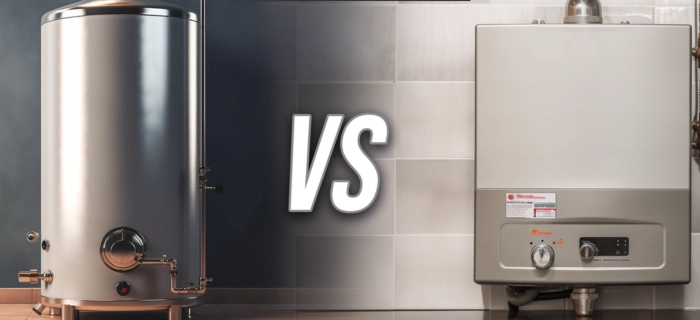
Comparing a gas vs electric instant water heater usually sounds simple at first, yet the real decision becomes clearer once you separate running cost from installation reality, because gas often costs less to run, while electric usually wins on simplicity, cleaner installation, and everyday convenience, especially in apartments where space, venting, and setup flexibility matter more than many buyers expect.
Gas vs Electric Instant Water Heater
Gas does have real advantages, because the U.S. Department of Energy says gas-fired tankless water heaters typically produce higher flow rates than electric ones, which can matter in homes with heavier simultaneous demand. At the same time, gas systems bring combustion-related installation considerations, venting requirements, and added complexity that electric models avoid, which is why electric instant heaters often make more sense for buyers who want a faster, cleaner, lower-hassle setup.
Where Gas Wins
Gas deserves credit in this comparison, because pretending otherwise weakens the article and does not help the buyer. The Department of Energy states that gas-fired tankless heaters generally produce higher flow rates than electric ones, making them more capable when multiple hot-water uses overlap or when a household expects stronger whole-home demand.
Gas can also be attractive from a running-cost perspective, especially where gas pricing is favorable, because the operating economics often work in its favor over time. Even DOE’s tankless overview notes that tankless systems can have lower operating and energy costs than storage systems, while market comparisons routinely position gas as the lower-cost fuel in day-to-day use, which is why buyers focused mainly on long-run utility cost often start by looking at gas.
Where Electric Wins
Electric wins when the buyer values simplicity more than maximum flow rate, because an electric instant heater avoids combustion, exhaust handling, and the venting decisions that gas installations require. Rinnai’s venting guide makes this point indirectly but clearly by explaining that gas tankless heaters require special venting to move hot exhaust gases outside, with different vent configurations depending on the unit and the installation space.
Electric also fits the apartment lifestyle more naturally, because the official Insta Heaters site emphasizes compact form factors, small footprints, and suitability for bathrooms, kitchens, and limited installation spaces without compromising performance. That matters in Egyptian apartments, where installation flexibility and neat placement can be more decisive than theoretical fuel savings alone.
Therefore, understanding the concept of an Electric Instant Hot Water Heater is essential for making a more informed decision.
Installation Is the Real Deciding Factor
Installation usually decides this comparison more than brochure specs do, because a gas unit may ask for vent routing, combustion-related compliance, and closer attention to local codes and qualified setup. The Department of Energy specifically notes that proper installation depends on fuel type, local building code requirements, and safety issues, especially concerning the combustion of gas-fired water heaters, which is a strong reminder that gas is rarely the simpler path.
Electric instant heaters, by contrast, keep the setup conversation more straightforward, which is one reason they are so attractive in modern residential projects. Insta reinforces that ease-of-ownership angle with installation guidance, technical support, and warranty help through its support team, while the official shop messaging also highlights free installation and a 2-years warranty.
What About Electricity Bills?
This is where buyers often confuse power rating with waste, because a heater can draw significant power while still being efficient if it runs only during actual use. Insta says its heaters operate only when water flows and stop heating once the tap closes, which reduces wasted electricity, while DOE explains that tankless water heaters avoid the standby energy losses associated with storage water heaters.
That does not automatically make electric cheaper than gas to run, and this is where honesty matters. Gas may still offer the lower running cost in many scenarios, especially for larger households and heavier use, yet electric often wins the broader decision when buyers care about easier installation, fewer moving parts around combustion and exhaust, and a more apartment-friendly setup.
Why Electric Makes Sense for Apartments
Apartment buyers usually want three things at the same time: compact size, predictable installation, and hot water without extra system complexity. Insta’s site leans directly into that need by describing its heaters as space-saving, compact, and suitable for limited installation areas such as bathrooms, kitchens, and smaller utility zones.
Once you add the gas side of the comparison, the electric case becomes even clearer, because gas tankless setups involve exhaust venting decisions and combustion-related installation planning that many apartment buyers would rather avoid. In practical terms, that means electric often feels less like a project and more like a product, which is exactly why it can be the more decisive choice in urban homes.
Who Should Choose Gas, and Who Should Choose Electric?
Choose gas if lower running cost is your top priority and your home can comfortably support the installation requirements, because gas tankless models generally offer higher flow rates and can suit larger households with heavier simultaneous hot-water demand.
Choose electric if you want cleaner installation, compact placement, easier ownership, and a simpler fit for apartment living, because the category avoids gas venting complexity and aligns well with the small-footprint, limited-space use cases emphasized across the Insta range. If you are comparing apartment-friendly sizes, the IH-9 and IH-11 are natural next steps depending on how much simultaneous usage your home actually has.
Final Verdict
The most honest answer in a gas vs electric instant water heater comparison is this: gas often wins on running cost and flow potential, while electric wins on simplicity, compact installation, and lower setup hassle. For many Egyptian apartments, that trade-off is not minor, it is the whole decision.
If you want the simplicity of electric with no installation hassle, browse our instant water heaters.
